

Swiss machining is a highly precise manufacturing process used to create intricate parts with exceptional accuracy. But what is Swiss machining? It is a method known for producing complex components, often with tight tolerances and small geometries, making it essential in industries such as aerospace, medical devices, and electronics. This advanced process has roots in Switzerland and is widely used for high-precision parts like watch components, surgical instruments, and automotive parts.
What is Swiss Machining?
At its core, Swiss machining refers to a specialized turning process where a workpiece is fed into a lathe and precisely machined with a series of rotating tools. Unlike traditional lathes, Swiss lathes feature a guide bushing that supports the workpiece while it rotates, reducing vibration and ensuring highly accurate results. This technique allows for the production of parts with extremely tight tolerances—often as small as 0.001 inches—making it an ideal choice for industries where precision is critical.
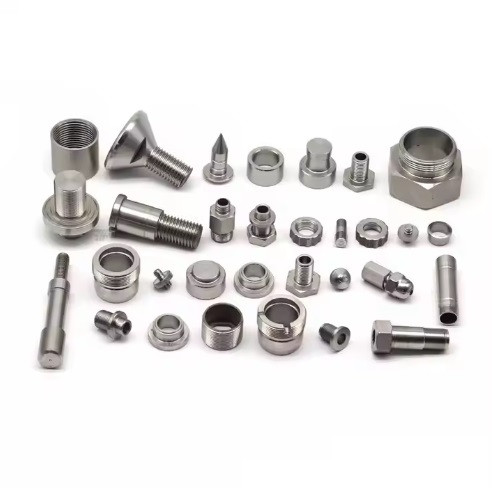
Swiss machining is particularly effective in creating small, detailed parts that would be difficult to machine with traditional methods. By using automatic bar stock feeding and multiple tool positions, Swiss machines can work on multiple features simultaneously, increasing efficiency and reducing cycle times.
How Does Swiss Machining Work?
Swiss machining uses a rotating bar stock of material—typically metal—that is fed into a specialized Swiss lathe. The lathe uses a guide bushing, which helps support the part as it rotates. This stability prevents vibrations, or “chatter,” that could affect the precision of the part. As the part rotates, various tools such as drills, cutters, and mills can be applied to the part to shape it according to the design specifications.
To understand what is Swiss Machining, you have to understand its key advantages of Swiss machining is its ability to perform multiple operations simultaneously. This can include turning, milling, drilling, and threading, all while the part is still in the machine. This highly efficient process makes Swiss machining a popular choice for high-precision manufacturing.
Key Features of Swiss Machining
Precision: Swiss machining is known for its ability to produce parts with extreme precision, often within tolerances of just 0.001 inches. This is why it’s the preferred choice for industries like medical devices and aerospace, where even the smallest variation can be critical.
Multiple Operations in One Setup: Swiss lathes can perform several tasks in one cycle, such as drilling, turning, and milling. This reduces the need for multiple machines, saving time and reducing the risk of errors.
Reduced Vibration and Stability: The guide bushing in Swiss lathes stabilizes the workpiece, reducing vibrations and “chatter” during machining. This stability is essential for maintaining the tight tolerances required in many industries.
Ability to Create Small, Complex Parts: One of the hallmarks of Swiss machining is its ability to create small, intricate parts with fine features and geometries. This makes it ideal for parts like medical implants, aerospace components, and precision watch parts.
Advantages of Swiss Machining
High Precision: Swiss machining excels at producing parts with incredibly tight tolerances, making it an essential process for applications requiring high precision. Industries like medical device manufacturing, aerospace, and automotive greatly benefit from the accuracy of Swiss machining.
Increased Efficiency: The ability of Swiss machines to perform multiple operations simultaneously leads to shorter cycle times, greater production speed, and reduced overall manufacturing costs. This efficiency makes Swiss machining the ideal choice for high-volume production.
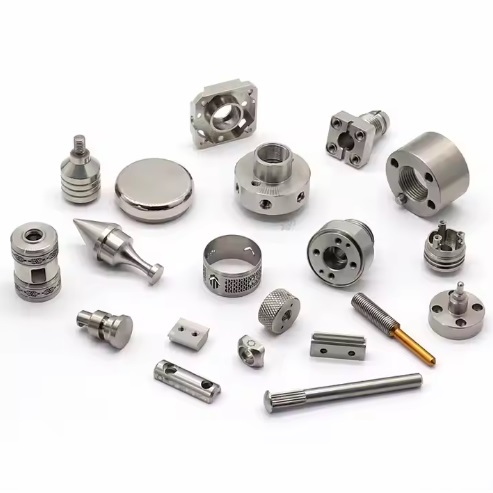
Complex Geometries: Swiss machines can easily handle complex shapes and features, such as deep holes, small threads, and fine grooves. The precision and flexibility offered by Swiss machining ensure that even the most intricate parts can be created to exact specifications.
Minimal Waste: The highly automated and precise nature of Swiss machining helps reduce material waste. Since the material is fed through the machine in an efficient manner, there is less waste compared to other machining methods, which can lower costs and improve sustainability.
Versatility in Materials: Swiss machining can handle a variety of materials, including metals like stainless steel, titanium, and aluminum, as well as plastics and other composites. This versatility makes Swiss machining suitable for a wide range of industries and applications.
When to Use Swiss Machining
Now that we’ve explored what is Swiss machining is and its advantages, let’s look at the industries and applications where it is most commonly used:
Medical Devices
Swiss machining is widely used in the medical industry to produce components like surgical instruments, implants, and diagnostic tools. The precision offered by Swiss lathes ensures that medical parts meet the stringent quality and regulatory standards necessary for patient safety.
Aerospace
The aerospace industry requires parts that are lightweight, durable, and precise. Swiss machining is ideal for manufacturing components such as turbine blades, fasteners, and connectors, where the highest level of accuracy is critical to ensure safe and reliable performance.
Watchmaking
Swiss machining has a long history in the watchmaking industry. With its ability to create small, detailed components with extreme accuracy, Swiss machining is perfect for making watch parts like gears, springs, and escapements. This is why many Swiss watchmakers rely on this process for their high-end timepieces.
Automotive
In the automotive sector, Swiss machining is used to produce small, intricate components like valve seats, sensors, and other parts that require high precision and durability. The versatility of Swiss machining allows it to handle complex geometries that are common in automotive manufacturing.
Electronics
Swiss machining is often used to produce tiny, intricate parts for electronic devices, such as connectors, micro switches, and small housing components. Its ability to work with fine details and small features makes Swiss machining an ideal choice for the electronics industry.
Conclusion: Why Choose Swiss Machining?
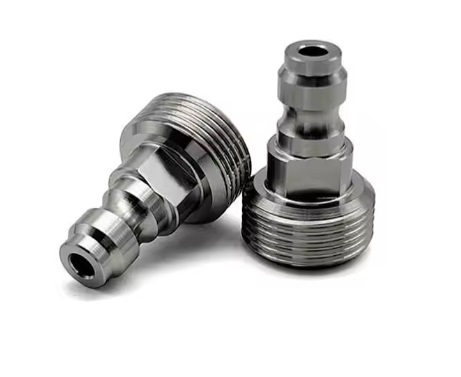
In conclusion, what is Swiss machining? It’s a specialized, high-precision manufacturing process used to create small, intricate parts with extremely tight tolerances. Swiss machining is ideal for industries where precision is critical, such as medical devices, aerospace, and automotive parts. The unique features of Swiss lathes, including their ability to perform multiple operations in one setup, make this process highly efficient and capable of producing high-quality, complex components.
Whether you’re manufacturing medical implants, aerospace components, or precision watch parts, Part Distribution can help you with your Swiss machining needs.
If you would like more information about what is Swiss Machining, Youtube is a great place to learn more.